Introduction
Thousands of businesses in the UK use software, be it CRM tools, POS systems, automation workflows, or in-company platforms, in their daily activities. However, as the software allows businesses to continue running, documentation is one area that most companies have a hard time with.
Good documentation describes the functionality of systems, the way employees should operate them, and what to do in various circumstances. In the case of clear documentation, teams will reduce the pace of work, onboarding will become less difficult, and errors will decrease rapidly.
However, regrettably, most of the UK SMEs and emerging businesses commit the same errors without even knowing it. These mistakes lead to:
- Confusion.
- Incomplete workflows.
- Repeated support requests.
- Wasted time.
- Poor training.
- Slower scaling.
- Compliance issues.
This blog gives the 5 worst documentation errors that are made by UK businesses, why they occur, and how you can rectify them with immediate effect.
We will have to dissect them in a simple, practical, and easy-to-understand manner.
1. Not Having Documentation at All
The largest error is, though, the easiest one:
There are not a lot of documented businesses in the USA.
This normally occurs due to:
- Teams are busy
- Processes grew slowly over time
- “We will document it later” attitude
- Employees already “know how to do it.”
- No dedicated documentation person
- Software evolves quickly
But here’s the problem…
In case of no documentation, your business would be tied to certain individuals. In case such individuals get ill, resign, or forget procedures, all of your workflow is compromised.
Why This Is a Problem
- Onboarding becomes slow
- Errors increase
- Knowledge stays in people’s heads
- Tasks get completed each time differently
- Systems become harder to manage
Even a piece of paper with the instructions as to how to perform a task can save hours a week.
How to Fix This Mistake
Start small:
- Document important tasks first
- Create simple step-by-step guides
- Record processes using screenshots
- Use a central storage location
- Update the documents every quarter
Keep in mind that even basic documentation is more than nothing
2. Using Overly Technical Language That Employees Cannot Understand
The other significant error in the documentation errors UK business category is the use of complicated, technical, or developer language in the internal documents.
Most companies mistake documentation for technical manuals. However, documentation must be in such a way that any team member, including a new employee, can comprehend it.
Signs Your Documentation Is Too Technical
- The employees pose repetitive questions.
- Workers bypass the record-keeping.
- Onboarding takes longer
- Individuals depend on verbal instructions.
- Teams consider documentation boring or confusing.
Why This Happens
- Tech teams write documentation as opposed to writers.
- AI-generated wording develops robot descriptions.
- No proper formatting
- Long paragraphs with no clarity
- Missing screenshots or examples
How to Fix It
- Use simple, clear language
- Divide steps into small segments
- Add screenshots
- Apply headings, bullets, and examples.
- Ask a non-technical worker to read it through.
- Make sentences relevant and brief.
A well-documented one is like a man describing something to another man.
3. Not Updating Documentation When Software Changes
Retention of old or outdated record-keeping is one of the most devastating errors made in UK companies.
The changes in software are nonstop:
- New UI
- New buttons
- Updated workflows
- New policies
- Changed automation rules
When documents are not updated, companies use the steps that are not correct and this results in:
- Confusion
- Errors
- Outdated processes
- Slow completion
- Incorrect reporting
Why Documentation Becomes Outdated
- No update schedule
- None (no one in charge of documentation).
- Rapid business growth
- Too many software tools
- Lack of time
- No revision process
How to Fix It
- Review documentation every 3 months
- Assign a responsible person or team
- Update documents after software changes
- Keep version history
- Use cloud-based tools for easy updates
- Add “Last Updated On” to each document
The saved time, training pressure is less, and your operations remain consistent with updated documentation.
4. Creating Documentation Without Visuals or Examples
This is among the greatest documentation errors made by UK business teams. The text of many companies has long paragraphs and does not contain any screenshots, visuals, arrows, or examples.
However, graphics make users grasp things in a very short time. Without visuals:
- Instructions feel unclear
- Employees misinterpret steps
- Training becomes slow
- Users get frustrated
- Errors increase
Why Visuals Matter
Studies show that people remember:
- 10% of what they read
- 20% of what they hear
- 80% of what they see
This implies that the incorporation of graphics makes documentation much more effective.
How to Fix It
Include:
- Screenshots
- Step-by-step images
- Numbered markers
- Flowcharts
- Examples of right and wrong
- Short video clips (if possible)
Graphical records are time-saving and eliminate confusion immediately.
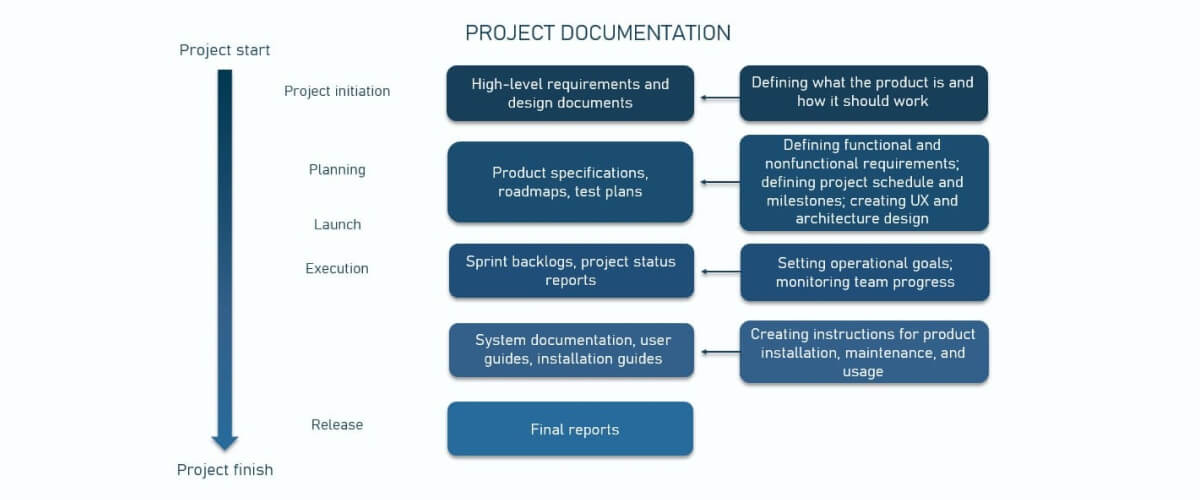
5. Not Structuring Documentation in a Clear and Organized Way
Although you have detailed and updated documentation, which is simple and easy to follow, a disorganized organization renders it useless.
Most of the businesses in the UK keep their documents in random folders, and there is no order or naming policy for the documents. Other documents lack clear headings, paragraphs are too long, or no index.
Common Structural Problems
- No table of contents
- Mixed topics in one document
- No clear numbering
- Poor formatting
- Missing headings
- Random folder names
- No standard template
Why Poor Structure Hurts Businesses
- Employees waste time searching
- Onboarding becomes difficult
- Teams rely on verbal instructions
- High chances of mistakes
- No consistency across departments
How to Fix It
- Use a standard template
- Add headings and subheadings
- Keep paragraphs short
- Create a folder structure
- Use numbered steps
- Start with an overview
- End with a summary
Formalized documentation assists in making teams do the right things in the correct order.
How These 5 Mistakes Affect UK Businesses in the Long Term
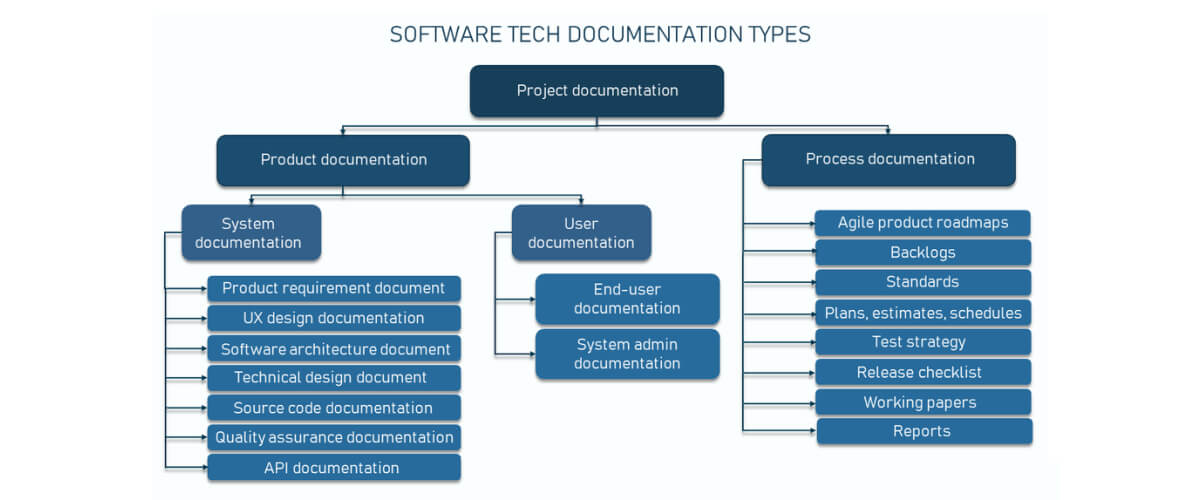
These errors can be minor, but their effect in the long run is immense:
- Increased training time
- Slower employee performance
- Higher dependency on individuals
- More errors and rework
- Difficulty scaling operations
- Poor quality control
- Compliance issues
- Customer dissatisfaction
It is not only a technical job to fix documentation, but a business strategy.
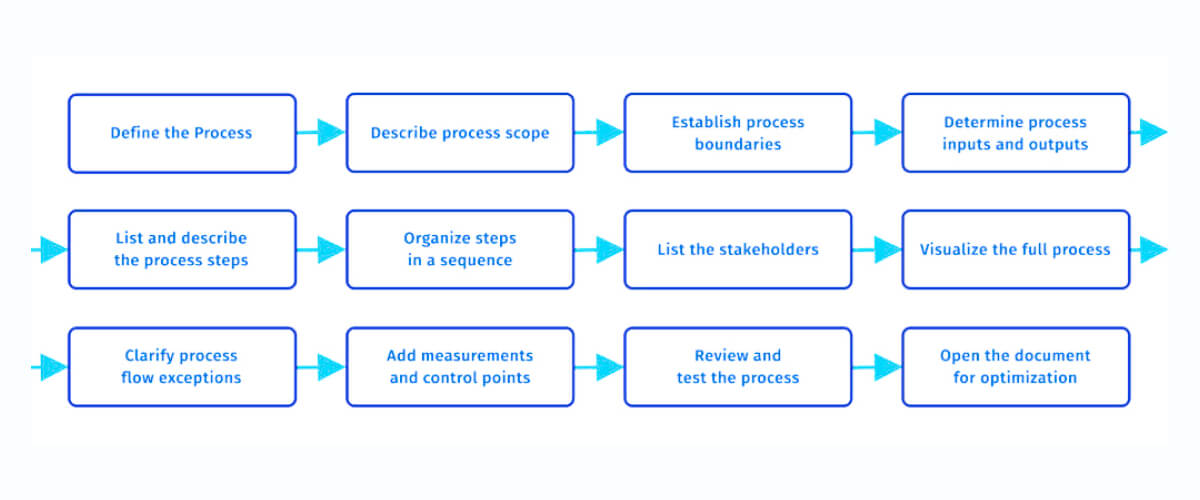
How to Improve Your Documentation Process (Simple Steps)
It does not require a large team or sophisticated equipment. You just need a clear process:
Step 1: Determine important tasks and processes.
Start with the most used or most important tasks.
Step 2: Compose them in straightforward terms.
Write as if you are explaining to a beginner.
Step 3: Include visual aids and screenshots.
Make every step easy to follow.
Step 4: Revise and revise frequently.
Keep documents fresh and relevant.
Step 5: Keep them in one central and organized system.
Make them easily accessible to everyone.
Step 6: Assign ownership
The documentation should be updated by somebody.
FAQs
1. What are the problems with documentation in UK businesses?
Due to the fact that documentation is a task that is usually given low priority until issues arise. Teams that are busy postpone it, and processes become without appropriate guidelines.
2. How often should documentation be updated?
At least once every 3 – 6 months, or as soon as a significant software or process change is made.
3. Who would be best in writing documentation, tech, or writers?
Ideally, both. The clarity and simplicity are provided by a writer, whereas proper information is given by the tech team.
4. Do visuals really improve documentation quality?
Yes. Visuals make instructions easier, faster, and more accurate for users.
5. Is documentation necessary for small businesses?
Absolutely. The idea of documentation saves time, minimises errors, and enhances work processes even in small teams.
Conclusion
Documentation is not just a bundle of text files, it is a cornerstone to the smooth running of a business. It is a shame to note that most businesses in the UK commit preventable documentation errors, such as not documenting workflow properly, the use of complicated language, not updating, omitting pictures, or not storing documents properly.
When you are aware of these 5 most common documentation errors that UK business owners make, you will be able to implement measures likely to help you create a better-organised, more efficient, and scalable workflow. Good documentation will save time, enhance training, minimize errors, and ensure that your company evolves with confidence. Regardless of whether you are a small start-up or an established SME, investing in coherent, updated, and properly structured documentation will provide value in the long run.