Introduction
The UK has a large proportion of businesses that emphasize more on sales and marketing as well as operations. However, there is one aspect that is consuming money, time, and effort silently, and that is poor documentation. So be it technical documentation, internal processes, handovers to clients, SOPs, or project instructions, a lack of clarity in the documentation or having outdated or not correct documentation is a huge disaster all over the organisation.
The real cost of ineffective documentation in the UK is far more than most companies may suspect, whether in time wasted by the employees and having to rework or face compliance risks.
In this blog, we will break down:
- What poor documentation costs UK companies?
- How does it affect productivity?
- The financial and operational consequences.
- Real examples of hidden losses.
- How can businesses fix these issues?
It aims at explaining everything in a simple, easy to comprehend and human manner, without any technical terms. At the end, even a non-technical business owner will have a clear idea of the importance of documentation itself, along with the means of preventing the costly errors.
What Is Poor Documentation? (Simple Definition)
Poor documentation means:
- Missing information.
- Outdated content.
- No clear instructions.
- Inconsistent formats.
- Unorganized or scattered files.
- No proper version control.
- No standard process.
In a situation where your team is unable to locate the appropriate information when it is required most, the work is slowed down and errors are compounded.
This affects every kind of documentation, including:
- Software development documentation.
- Internal business processes.
- HR and onboarding documents.
- Client communication notes.
- Project workflows.
- Compliance and audit reports.
Any step not documented or missing, or where there is no clarity may result in wastage of time, misinterpretation and even loss of a significant amount of money.
How Poor Documentation Actually Costs UK Businesses?
The actual costs, including the financial costs, operational costs, and strategic costs faced by the UK businesses because of poor documentation, are provided below.
1. Financial Losses from Rework and Errors
Rework is one of the largest expenses a company has to endure. Teams that lack proper instructions commit errors. And errors are followed by the repetition of the same task.
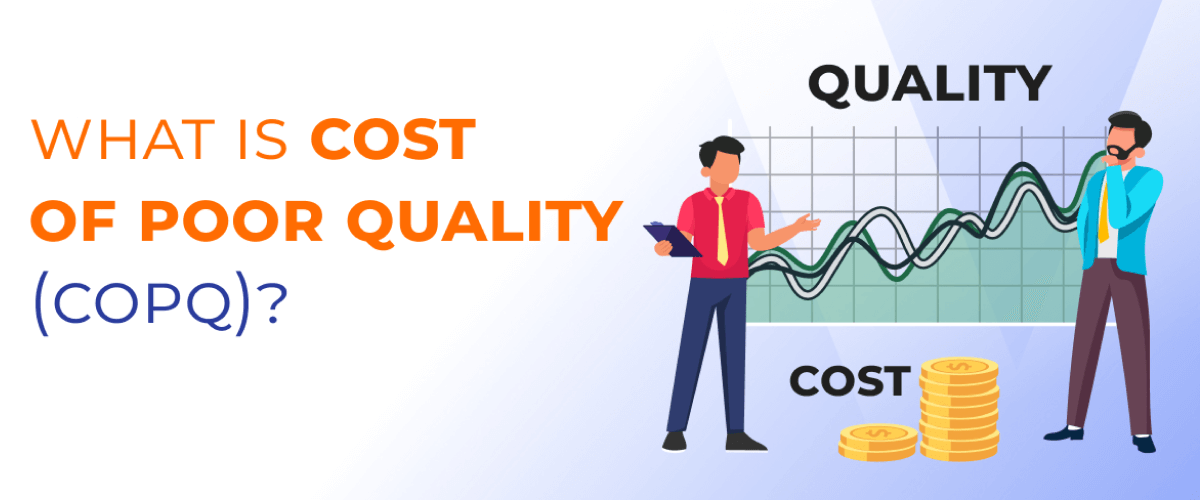
The cost of the project may increase by up to 30% because of bad documentation according to industry research.
Examples:
- A developer fails to understand the requirement and creates the wrong feature.
- Due to the illegibility of notes, a customer receives the incorrect instructions by a support agent.
- It requires weeks before a new employee can know how to work because of a lack of guidelines.
An hour of correcting mistakes could have been utilized in productively working.
2. Lost Productivity Across Teams
The most slackening factor in teams is poor documentation.
Employees waste time:
- Searching for files.
- Asking colleagues for clarification.
- Waiting for someone to explain a process.
- Fixing errors caused by unclear instructions.
Research reveals that employees are using up 20% – 30% of their working time in search of information.
That is the same as losing 2-3 salaries annually because documentation is not structured, which is the case with a UK company with only 10 employees (just imagine what happens to empires with 200, 300+ employees).
3. Higher Training and Onboarding Costs
In case of poor documentation, new employees fail to master the system. Rather than reading a straightforward SOP, they have to ask other colleagues to clarify everything to them.
This adds to training time by:
- 2x for junior roles.
- 3x for technical roles.
The same things are explained in your team since no one writes down the processes properly.
These delays in onboarding may slow down the growth of UK companies and influence the performance of the team of workers in fast-developing companies.
4. Damage to Customer Experience and Brand Trust
Poor documentation often leads to:
- Wrong client deliverables.
- Inconsistent communication.
- Delays in project completion.
- Misunderstanding customer requirements.
Clients require professionalism. When documentation is not good, then the business would seem to be messy and this has an impact on trust.
In the case of service based companies, the following failures may be experienced due to failure of documentation:
- Project cancellations.
- Reduced client satisfaction.
- Negative reviews.
- Loss of future referrals.
It is an unfamiliar expense that most businesses in the UK do not even notice until their customers are shifting away.
5. Compliance and Legal Risks
Businesses in the UK require appropriate documentation in order to meet:
- GDPR.
- ISO standards.
- Industry audits.
- Security policies.
- Health and safety regulations.
Lack of poor documentation poses severe risks:
- Missing records.
- No audit trail.
- Outdated policies.
- Unclear responsibilities.
- Failure to meet regulatory expectations.
One breach of compliance may result in thousands of pounds without the cost of legal proceedings and reputation losses.
6. Poor Team Collaboration and Communication Breakdown
Teams find it hard to remain in sync when documentation is not up to date, or it has been stored in different folders.
Common challenges include:
- The members of a team who may be operating on a different version of the same document.
- Misunderstanding as to who made what update.
- False assumptions resulting from the missing information.
- Delays in fulfilling tasks in case of the missing of key details.
This disrupts communication and slows down all the departments; IT, HR, sales and customer support.
7. Missed Deadlines and Project Delays
Among the largest causes of project delays is inconsistent or unclear documentation.
The usual effects on UK businesses are:
- Misunderstood requirements.
- Wrong task priorities.
- Repeated errors.
- Miscommunication between departments.
- Late approvals due to missing information.
Delays in a project directly affect revenue, morale of the team and customer confidence.
8. Increased IT and Support Costs
Poor technical documentation results in:
- More support tickets.
- Downtime issues.
- Repeated troubleshooting.
- Misconfigured systems.
- Confusion during updates or migrations.
Lack of proper technical documentation leads to wasted time by developers and IT teams working on issues that would otherwise have been avoided.
This adds additional workload to the operations and has a direct impact of inflating the cost of business.
Real-World Example: The Hidden Cost of One Missing Steps.
Think of an example of a new feature that is introduced by a UK software firm.
However, the documentation team overlooks the fact that there is a necessary step of installation.
What happens?
- Clients face errors.
- The support team gets 200+ tickets.
- Developers waste hours debugging.
- Customer satisfaction drops.
- Company reputation suffers.
This is due to the lack of one line in documentation. This explains how minor documentation errors lead to huge losses in the business.
Why Do UK Businesses Often Ignore Documentation?
The intentional neglect of documentation is not overlooked by the majority of companies. The real reasons are
- Teams are too busy.
- No standard format.
- None of the committed documentation owners.
- Ignorance on the value of documentation.
- Communication-free multi-department processes.
- Use of oral instead of written procedures.
But with the growth of the company issues multiply.
How UK Businesses Can Prevent Documentation Losses?
These are some of the easy ways to address documentation problems and reduce expenses by businesses.
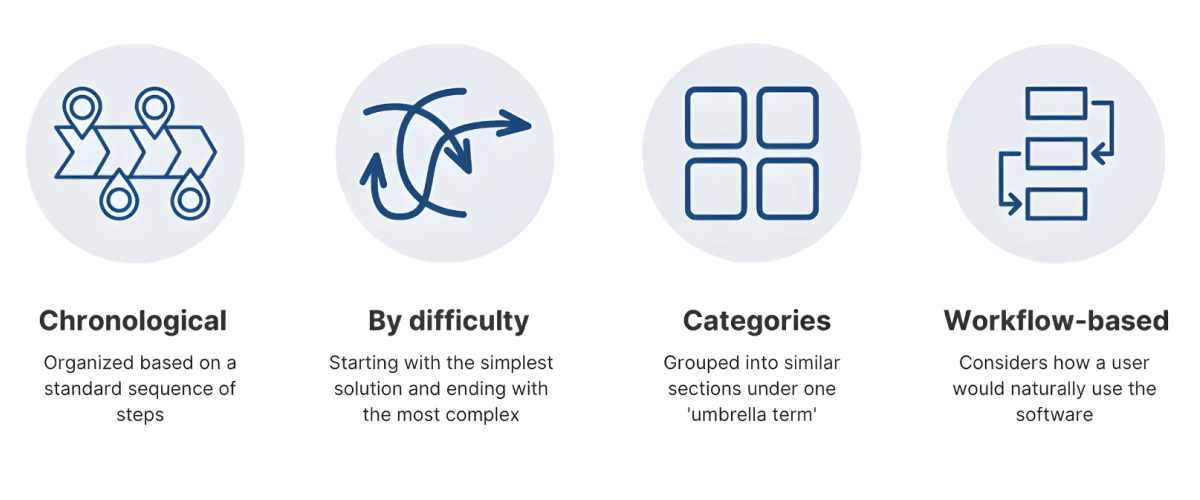
1. Create documentation standards
Standardize templates, formats and names of all documents.
2. Use documentation tools
Confluence, Notion, GitBook, ClickUp, SharePoint.
3. Assign documentation ownership
Have a person or team that is in charge of updating.
4. Keep documents centralised
Do not use random Google Docs, WhatsApp notes or emails.
5. Update regularly
Documentation needs to become a part of your working process every week or month.
6. Train your team
Educate your staff on the proper way to document.
7. Automate wherever possible
Manual updates are eliminated with the help of automation tools (Make.com, Zapier, Jira automation).
FAQs
1. What is the UK’s poor documentation cost in businesses?
It involves financial losses, re-work, compliance risks, operational delays, increased training costs and lowered customer satisfaction. These costs may run up to thousands of pounds per year.
2. So, what is the impact of inadequate documentation on the small businesses in the UK?
It is worse off to small businesses since they have little resources. All the time and errors spent on waste are directly related to cash flow and growth.
3. Is good documentation a factor that enhances productivity?
Yes. Clarity leads to quicker working of teams, minimizes confusion, and eliminates development of similar questions. It can increase up to 20-30 percent in productivity.
4. What is the indicator of whether my business has documentation problems?
Some of the typical symptoms are the presence of repeated errors, disoriented employees, slow orientation, paperwork, and colleagues who keep requesting information.
5. What can be done to enhance documentation in the quickest manner?
Begin with simple templates, responsibility, centralisation of all the documents and update high-priority processes first. There is also speeding up of the process by automation tools.
Conclusion
Ineffective documentation can be presented as a minor internal concern, yet its effects are enormous. It causes time wastage in teams, higher costs, jeopardises compliance, and hurts customer satisfaction. To the businesses in the UK that aspire to grow, scale, and work in a productive manner, documentation is not only good to have but a necessary requirement.
The benefit of repairing documentation is that it saves time, preserves the reputation of the company, and increases overall productivity. It is among the easiest and least expensive means of reinforcing business activities.
When you are ready to have a more efficient and profitable business and better organised, start improving your documentation today.